
Copyright © 2022-2026 | Carbon Savers. All rights reserved.
Copyright © 2022-2026
Carbon Savers. All rights reserved.
by
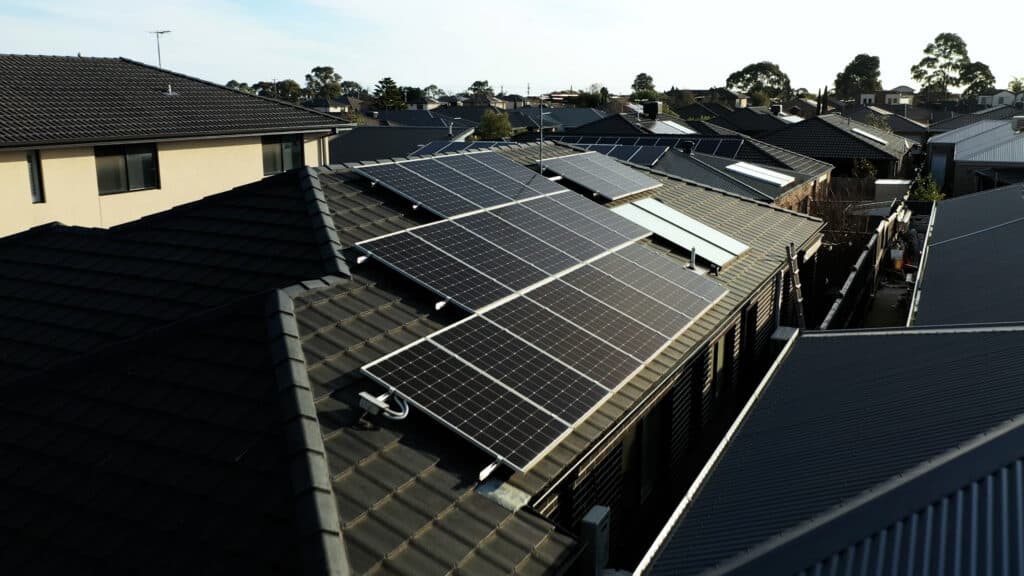
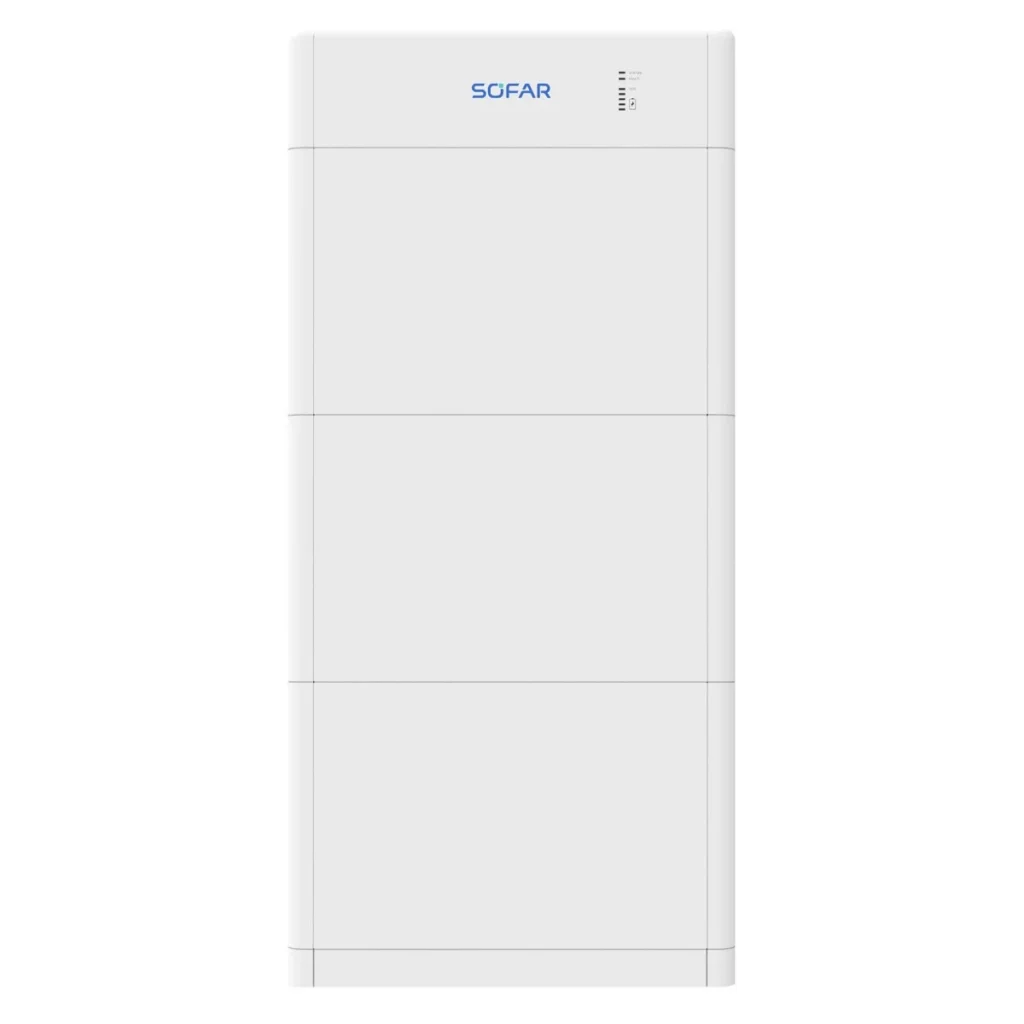
Launched in July 2025, the federal Cheaper Home Batteries policy replaced the earlier Victorian battery rebate and introduced a national incentive to encourage household battery uptake across Australia.
Here’s how it works:
Example:
If you install a 20kWh battery, you could currently receive around $6,000+ in rebates under the STC scheme (as of early 2026).
But from May onwards, that figure will decline, as the number of eligible certificates is reduced under the federal program schedule.
So if you’re already eligible, or close to making a decision, delaying a few months will cost you.
It’s worth noting this federal rebate is not means‑tested. All eligible Victorian homeowners can access it regardless of income, as long as the battery system and installation meet program requirements.2

Battery rebates don’t stay the same forever and that’s by design.
Under the STC system, the number of certificates a battery installation earns declines each year as part of a scheduled reduction through to 2030. This means that the value of the upfront discount decreases over time, so a system installed earlier in the scheme typically earns more STCs (and a larger rebate) than the same system installed later.
From 1 May 2026, two key changes kick in:
For example, an installer looking at a 30 kWh battery after May 2026 can expect:
| Battery Size (Usable Capacity) | System Cost (Estimate) | Upfront Rebate (Before May 2026) | Upfront Rebate (After May 2026) | Out-of-Pocket (Before) | Out-of-Pocket (After) |
|---|---|---|---|---|---|
|
20kWh |
$14,360 |
~$6,160 |
~$4,600 |
~$8,200 |
~$9,760 |
|
30 kWh |
$18,240 |
~$9,240 |
~$6,006 |
~$9,000 |
~$12,234 |
|
40 kWh |
$44,220 |
~$12,320 |
~$6,400 |
~$31,900 |
~$37,820 |
What this means for Victorian homeowners is simple: timing matters. Installing before May 2026 can earn you a higher rebate and reduce your upfront cost significantly more than waiting until later in the year.
If you’re planning to install a solar battery in the next 12 months, timing is everything. The federal rebate amount drops from May 2026, so acting early could mean thousands more in upfront savings.
Here’s how to lock in the highest rebate available:
Install before 1 May 2026
Battery rebate rates are based on a system of certificates (STCs), and the number you receive is set to decline under new rules. The earlier your system is installed, the more you save.
Choose a battery from the approved STC list
Not all batteries are eligible. Make sure your product appears on the Clean Energy Regulator’s approved battery list. Ask your installer to confirm this before proceeding.
Use an approved installer
Your installer must be Clean Energy Council (CEC) accredited and participate in the Cheaper Home Batteries Program. They’ll also apply the rebate on your behalf (no paperwork required on your end).
Coordinate your upgrades
Planning to install multiple systems? Speak to a trusted provider about how to sequence your upgrades to avoid missed rebates or eligibility issues:
🛠️ Pro Tip: Some homeowners accidentally miss out on one rebate by installing the wrong system first. Get expert advice before you start.
Battery rebates are generous now but they won’t stay that way.
From May 2026, new federal rules mean the value of your rebate could drop by up to 30% or more, depending on your battery size.
If you’ve been thinking about installing a solar battery, the best time to act is now.
Early installation means:
Thinking about a solar battery?
Get in touch with a trusted installer to check your eligibility and lock in your rebate before the changes hit.
Not anymore. The Victorian Solar Homes battery rebate closed to new applicants in June 2025. Right now, only the federal rebate (STCs) is available for battery systems and that’s why acting before May 2026 is so important.
Choosing the right battery size is one of the most important steps in making sure your investment pays off. Bigger isn’t always better and in fact, oversizing your battery can cost you more than it saves.
For most Victorian homes, a battery size between 10–20 kWh is usually sufficient to store excess solar power and cover typical overnight usage. However, some companies push 30–40 kWh systems onto households who don’t need them, just to access larger rebates. This can actually work against you.
Right-sizing your battery means getting the best value over the system’s lifespan. A trusted installer will assess your actual energy usage, solar output, and lifestyle needs and design a solution that matches.
Not directly, but solar panels + batteries = bigger savings.
Solar panels help charge your battery during the day, so you can use free stored energy at night when electricity prices spike.
And yes, solar panels have their own rebate program (STCs), which your installer can apply at the same time.
No, but time is running out.
You can still lock in the higher rebate if your system is installed before 1 May 2026. Delays in quotes, approvals or installation could cost you thousands.
Get a quote and confirm your eligibility early especially if you’re planning a larger system or coordinating multiple upgrades.
Only completed installations count for the higher rebate. If your system is installed after 1 May, you’ll receive the lower rebate amount even if you paid a deposit or signed a contract before the deadline.
That’s why it’s important to:
1: Can I get both the federal and Victorian battery rebate?
Not anymore. The Victorian Solar Homes battery rebate closed to new applicants in June 2025. Right now, only the federal rebate (STCs) is available for battery systems and that’s why acting before May 2026 is so important.
2: What size battery should I choose to maximise the rebate?
Choosing the right battery size is one of the most important steps in making sure your investment pays off. Bigger isn’t always better and in fact, oversizing your battery can cost you more than it saves.
For most Victorian homes, a battery size between 10–20 kWh is usually sufficient to store excess solar power and cover typical overnight usage. However, some companies push 30–40 kWh systems onto households who don’t need them, just to access larger rebates. This can actually work against you.
Right-sizing your battery means getting the best value over the system’s lifespan. A trusted installer will assess your actual energy usage, solar output, and lifestyle needs and design a solution that matches.
3: Will installing solar panels help me get the battery rebate?
Not directly, but solar panels + batteries = bigger savings.
Solar panels help charge your battery during the day, so you can use free stored energy at night when electricity prices spike.
And yes, solar panels have their own rebate program (STCs), which your installer can apply at the same time.
4: Is it too late to qualify for the highest rebate?
No, but time is running out.
You can still lock in the higher rebate if your system is installed before 1 May 2026. Delays in quotes, approvals or installation could cost you thousands.
Get a quote and confirm your eligibility early especially if you’re planning a larger system or coordinating multiple upgrades.
5: What if my installation date gets delayed?
Only completed installations count for the higher rebate. If your system is installed after 1 May, you’ll receive the lower rebate amount even if you paid a deposit or signed a contract before the deadline.
That’s why it’s important to:

Copyright © 2022-2026 | Carbon Savers. All rights reserved.
Copyright © 2022-2026
Carbon Savers. All rights reserved.

Discover the latest government rebates that can help you save up to $11,000