- $0 upfront with our repayment plan
- No call-out fees
- 24-hour response
Blog › Home battery audit and installer warnings
News
More than six in 10 home battery installations checked by federal inspectors failed to meet standards, amid warnings of “shonky” work and surprise $1000 bills.
Originally published on realestate.com.au · 23 Nov 2026

By David Bonaddio
Real Estate Reporter ·
25 Nov 2026 ·
On this page
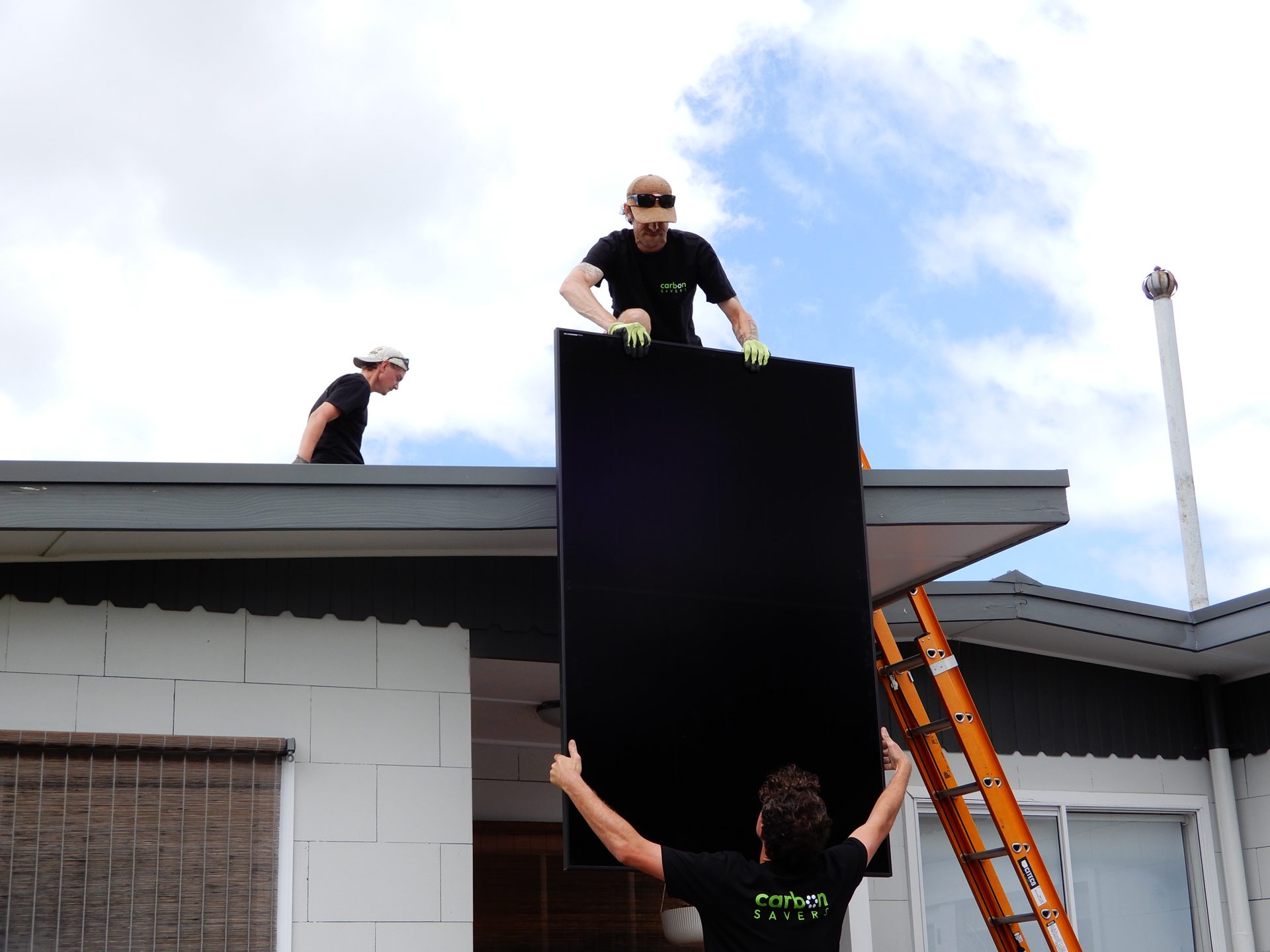
The Clean Energy Regulator’s 2025-26 report found 61.19 per cent of 3373 randomly selected installations were substandard but safe to operate, while a further 0.95 per cent were deemed unsafe.
Most substandard findings involved missing or incorrect safety labels rather than faulty batteries, although inspectors also identified wiring and electrical protection problems.
The findings come after the regulator suspended 1 Solar Australia, trading as Solar Power Nation, from participating as a registered person in the Small-scale Renewable Energy Scheme on November 11.
The regulator said it was no longer satisfied the company met its fit and proper person requirements. The decision prevents it from creating certificates used for federal rebates but does not ban it from selling solar systems.
Pryor Connections director and electrician Mitch Pryor described solar as “a bit of a shonky industry”, warning government subsidies had encouraged some companies to compete aggressively on price.
He said poorly installed rooftop systems could pose serious electrical hazards because panels continued generating electricity when exposed to sufficient daylight.
Mr Pryor urged homeowners to watch for inverter error codes and visible signs of excessive wear, which could indicate problems requiring professional attention.
He said oversized batteries were not inherently dangerous, but households could waste money buying equipment that did not suit their electricity needs.
Larger systems could still provide additional benefits, including exporting electricity to the grid, but buyers needed to consider whether the investment would pay for itself.
Mr Pryor also warned homeowners about unexpected installation charges, with switchboard upgrades sometimes costing $1000 or more.
While the work could be essential for electrical safety, he said some operators took advantage of customers by charging for unnecessary upgrades.
“There are some companies that do take advantage of that,” he said.
He recommended having a property’s installation requirements and potential additional costs confirmed before signing a contract, ideally through an on-site assessment.
For Australians considering spending $10,000 on solar panels or batteries, Mr Pryor said the financial return should be their first consideration.
“I’d look at the payback,” he said.
He also encouraged buyers to seek recommendations from trusted neighbours and previous customers rather than relying solely on online reviews or choosing the cheapest quote.
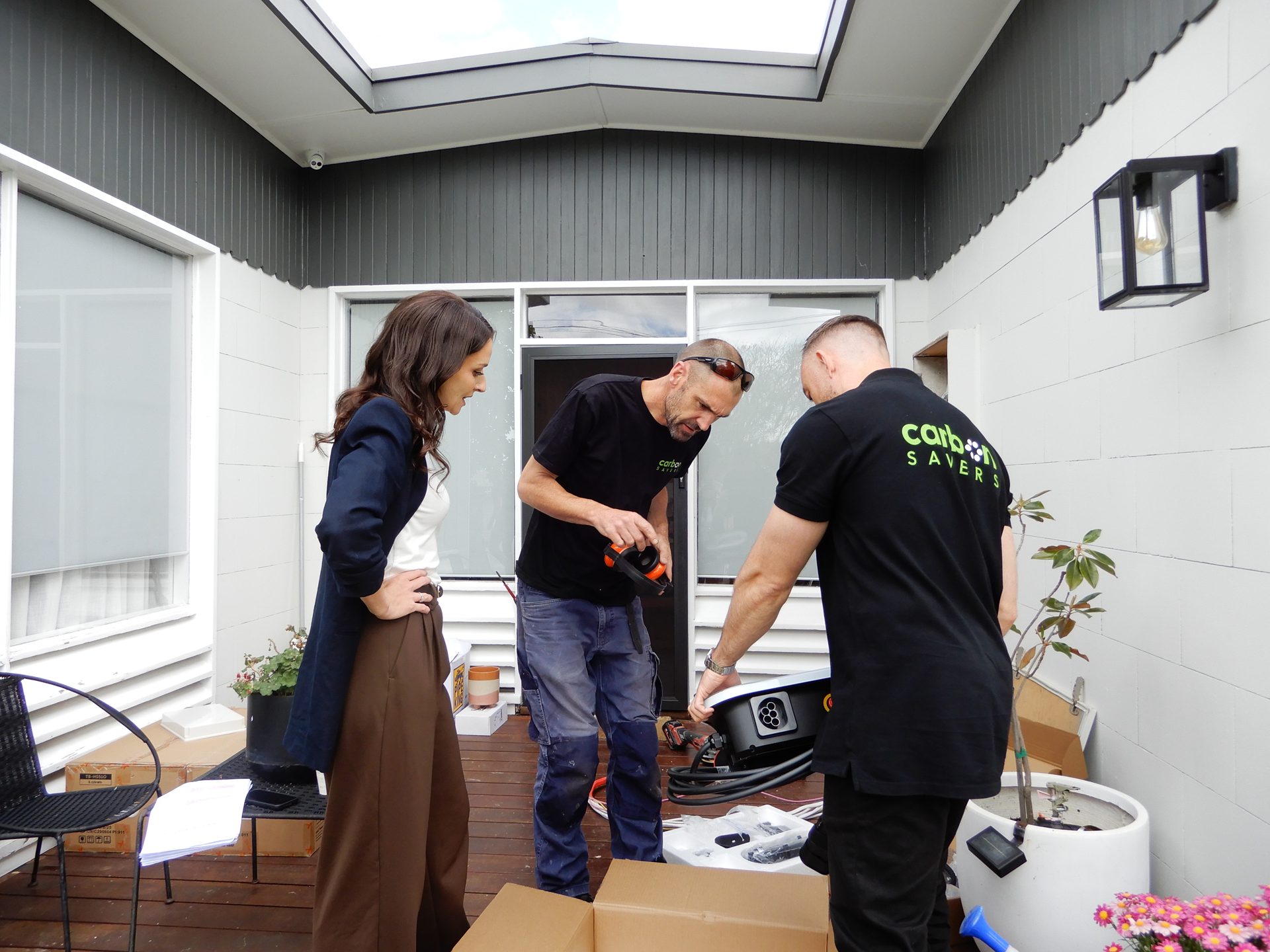
Carbon Savers general manager Alex Howard said his company had encountered homeowners whose solar systems were failing to deliver the benefits promised.
In one case, installers upgrading a customer’s rooftop system discovered the original installation had never been connected to the electricity grid.
The problem emerged during discussions with the electricity network provider, with the homeowner missing out on feed-in tariff credits.
Mr Howard said the system had also been incorrectly configured to maximise electricity generation from the property’s roof.
“You can buy a Ferrari solar system,” he said, warning even expensive equipment could prove problematic if poorly installed or left without adequate support.
Mr Howard said another concern was Australians being sold batteries unnecessarily large for their electricity needs.
He warned some companies offered standardised packages without properly assessing household consumption, the capacity of existing solar panels or whether a battery would deliver worthwhile savings.
“There’s battery sizing and then there’s battery capability,” he said.
“It’s not a one size fits all.”
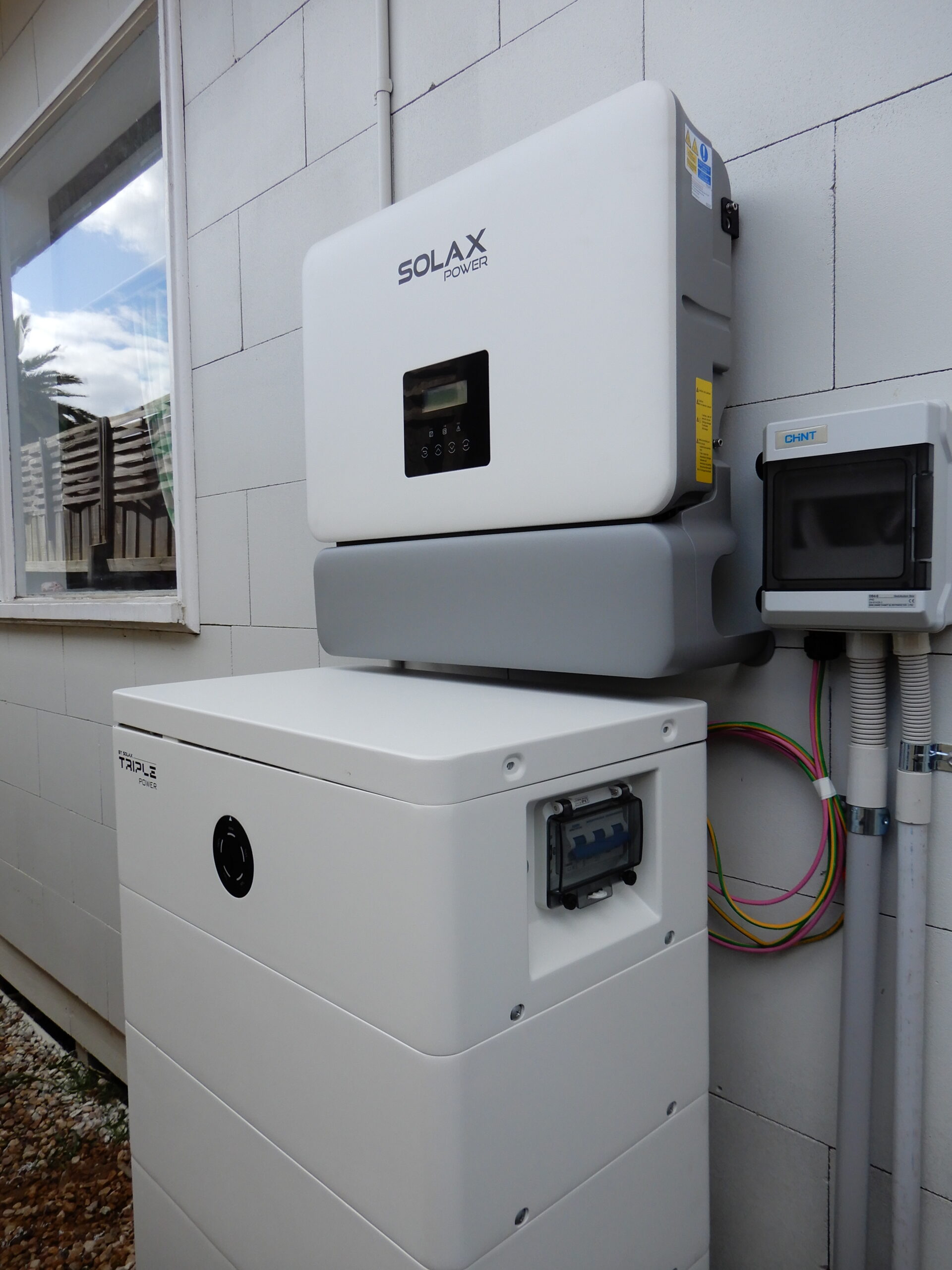
Mr Howard said households consuming most of their electricity during daylight hours might have little financial incentive to purchase battery storage, particularly where rooftop panels already covered much of their demand.
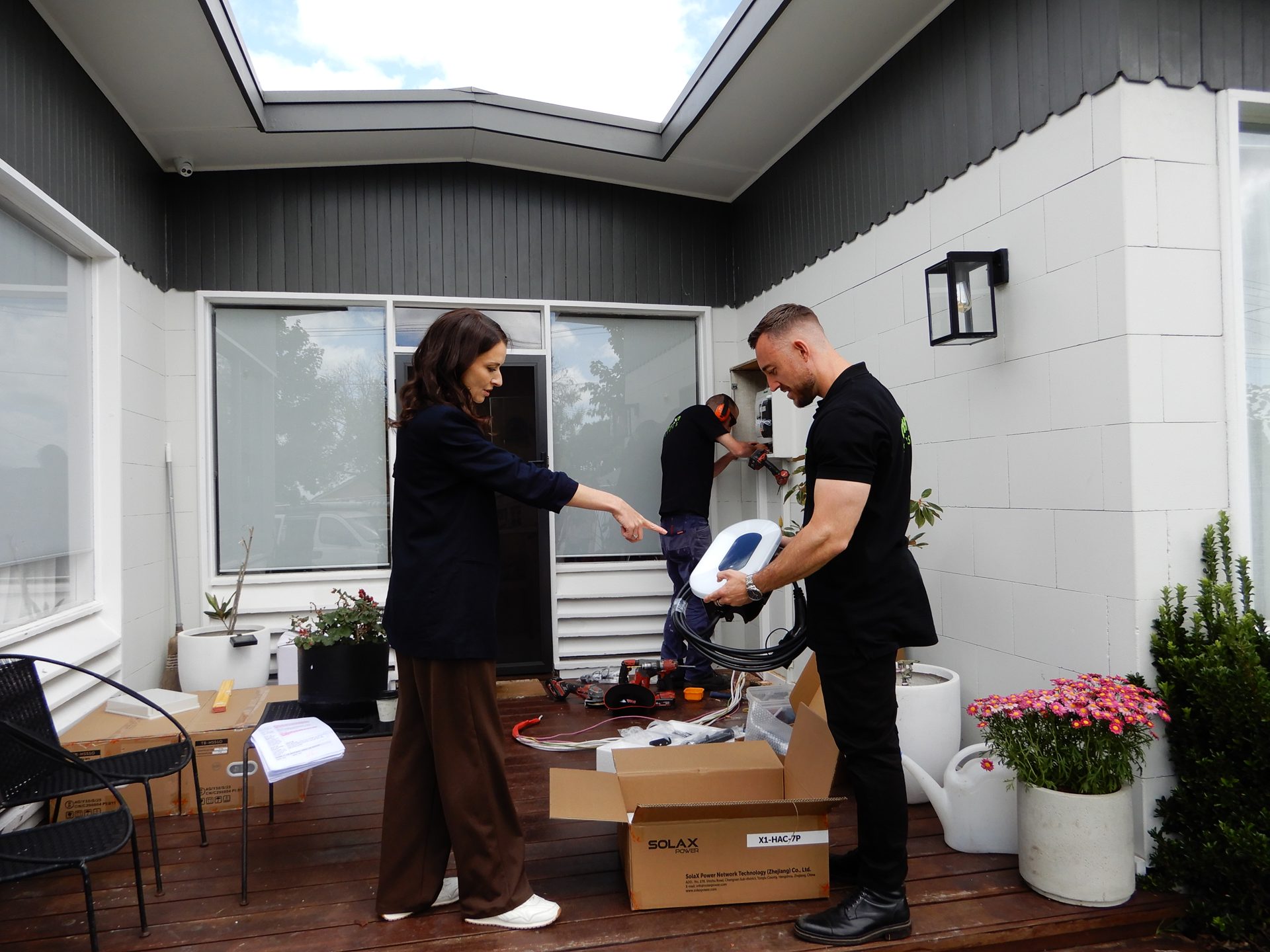
He also warned homeowners could face unexpected charges exceeding $1000 on installation day for work not clearly identified in their original quotes.
These included switchboard upgrades, blackout protection and protective barriers around garage-mounted batteries
Mr Howard urged consumers to check contracts carefully, including whether warranties covered labour and call-out fees and what support would be available after installation.
Solar Power Nation told the ABC it intended to seek a review of its suspension and pursue a court injunction.
The company maintained the decision did not prevent it from operating as a solar retailer and that eligible customers could still obtain government rebates through another registered agent, subject to scheme requirements.
Source
Originally published on realestate.com.au on 23 November 2026. By David Bonaddio, Real Estate Reporter.
David Bonaddio is a Real Estate Reporter at realestate.com.au. This article was first published on 23 November 2026.
Talk to an expert
Tell us a little about your home and what you’re keen on. We’ll come back with your options, and the rebates you could get. No sales pressure, no cookie-cutter systems, no jargon.
We’ll match a battery to your home, your solar and your energy use, and check the rebates you could get.
$0 upfront with our repayment plan. No call-out fees. No obligation.

Reno Damianou
Operations Manager
25 Nov 2026
Reno Damianou
Operations Manager
25 Nov 2026
Reno Damianou
Operations Manager
25 Nov 2026