Solutions › EV charging
EV charging
A home charger makes topping up your EV as easy as charging your phone. Pair it with solar and you’re driving on your own power.
4.9
3,000+ Google reviews · also on Trustindex
Talk to an expert
Tell us a little about your home and what you’re keen on. We’ll come back with your options, and the rebates you could get. No sales pressure, no cookie-cutter systems, no jargon.
How it works
A wall charger is faster and safer than a standard power point. Park, plug in, and wake up to a car that’s ready to go.
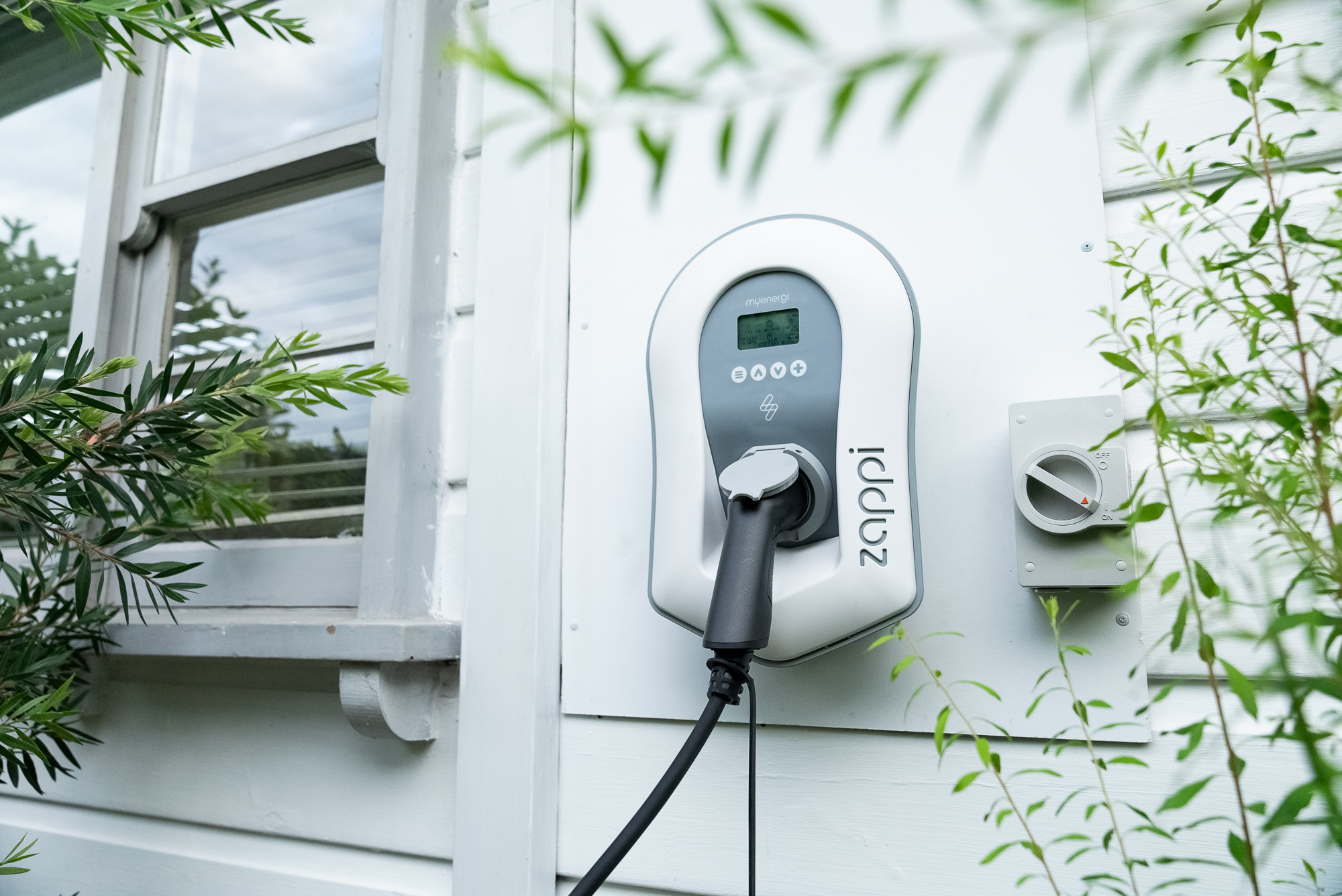
Our A-grade electricians install it neatly, check your switchboard and make sure it’s set up right.
Got solar? Top up with the power your roof makes.
Say goodbye to big prices at the pump and public chargers. Plug in at home, on your terms.
Your car fills up while you sleep.
Better with solar
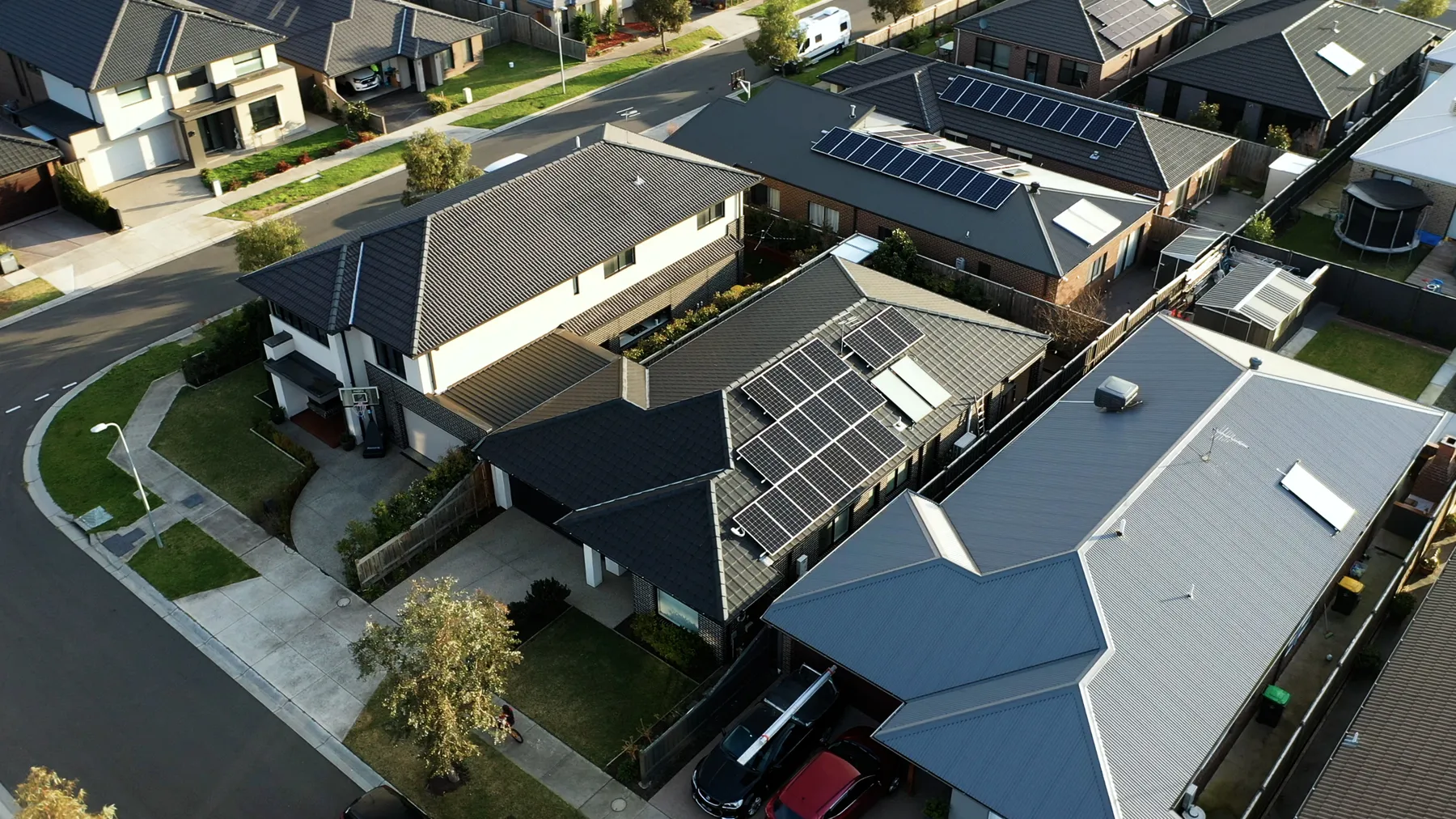
Pair your charger with solar and your car can run on the power your roof makes during the day.
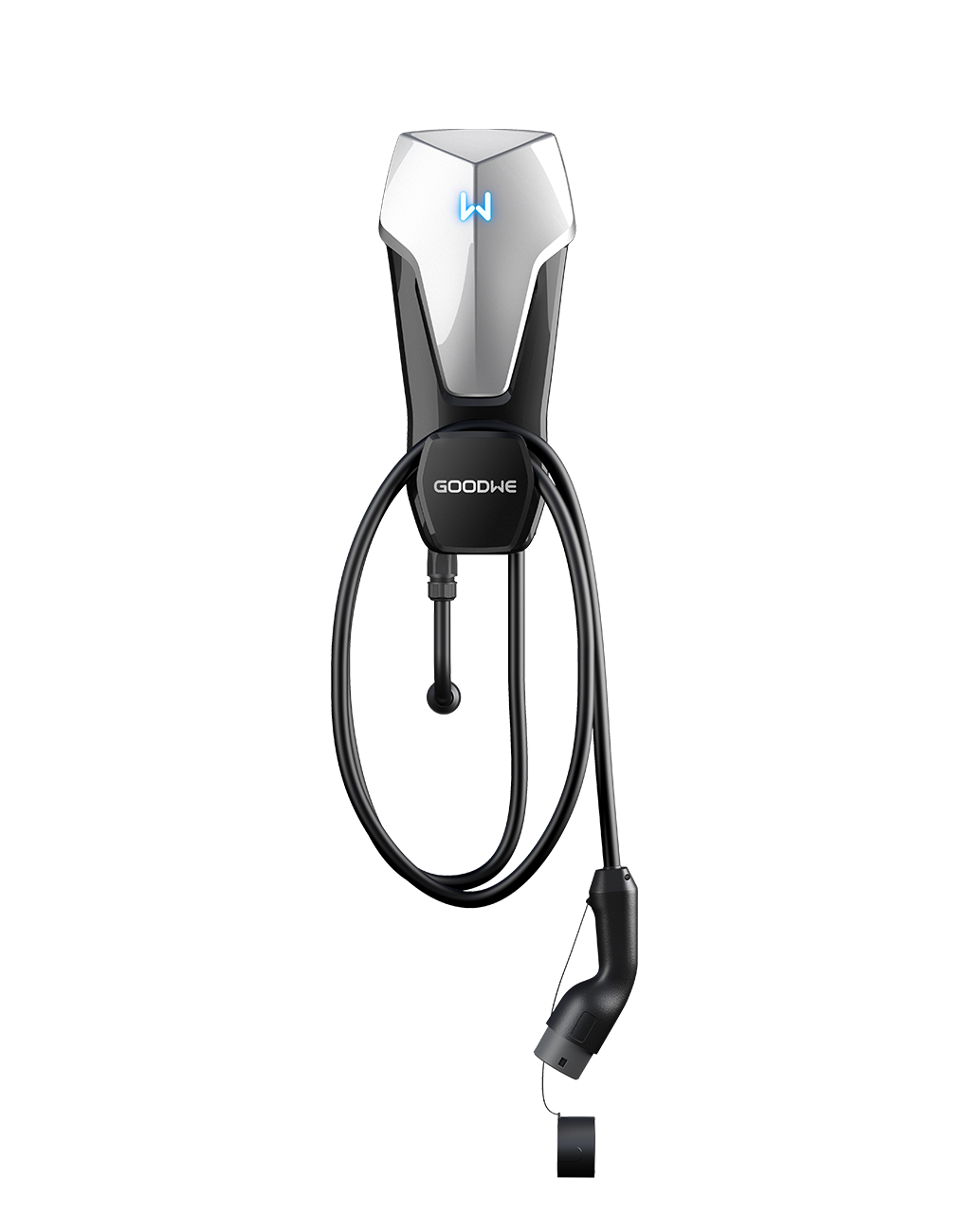
Single-phase. Charges your EV from spare solar.
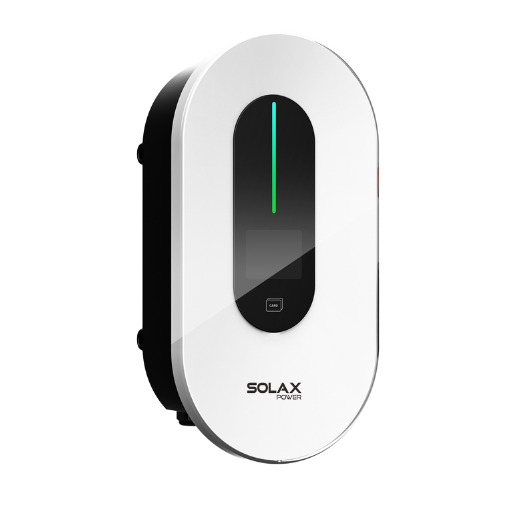
Three-phase, for faster charging. Charges your EV from spare solar.
Pairs with your solar and battery, managed in one app.
A few quick questions online, or a chat.
A free energy assessment and a clear recommendation.
We make sure your switchboard can handle a charger, then our own team installs it.
Cheaper kilometres, charged at home.
Real Carbon Savers customers, in their own words.

Hot water heat pump
“How I saved thousands of dollars on my gas & electricity bill.”
Veronica, Carbon Savers customer

Solar
“I’ve saved thousands already and I don’t see any reason why others can’t as well.”
Noel, Carbon Savers customer

Heating & cooling
“We would recommend Carbon Savers to all our friends.”
Gemma & Matt, Carbon Savers customers

Heating & cooling
“Factoring in payment plans and the rebates, we’re miles in front.”
Gavin & Dino, Carbon Savers customers

Hot water heat pump
“There’s nothing to worry about with a heat pump… I’ve got more money actually in my pocket.”
Joe, Carbon Savers customer
More answers in the FAQ hub →
Most electric vehicles sold in Australia can connect to a home EV charger, but it’s important to check compatibility before choosing one.
The type of charging plug, your car’s maximum charging capacity and the charger you install will all play a part. We can help check that the charger is suitable for your vehicle before installation.
Charging speed depends on your car, the charger’s power and your home’s electrical supply.
As a general guide, a dedicated home charger can add approximately:
A 7kW charger is a common option for homes with a single-phase power supply. Faster 11kW and 22kW charging generally requires three-phase power, and your vehicle must also support the higher charging rate.
These figures are estimates. Actual charging speeds vary depending on your vehicle, battery, electrical setup and other conditions.
Absolutely! If you have solar panels, you can use the electricity your system generates to charge your EV, helping you make more of your own energy and rely less on the grid.
With a compatible smart charger, you may be able to prioritise excess solar power and charge your car when your panels are generating electricity. If there isn’t enough solar available, you can generally top up using electricity from the grid, depending on your charger’s settings.
If you have a home battery, you may also be able to use stored solar energy to charge your car. How much solar power is available will depend on your system, household energy use and the time of day.

Getting your home ready for EV charging is usually straightforward. A qualified electrician will check your switchboard, electrical supply and preferred charger location to work out what’s needed.
Installation generally involves:
Some homes may need a switchboard upgrade or changes to their electrical supply, depending on their existing setup and the charger selected. We’ll help you understand what’s involved before installation goes ahead.